
Finite Element Analysis and Computational Fluid Dynamics
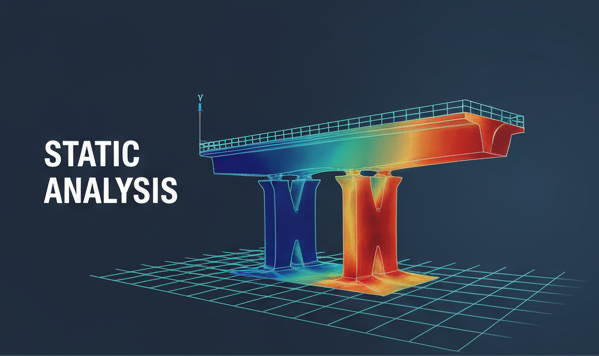
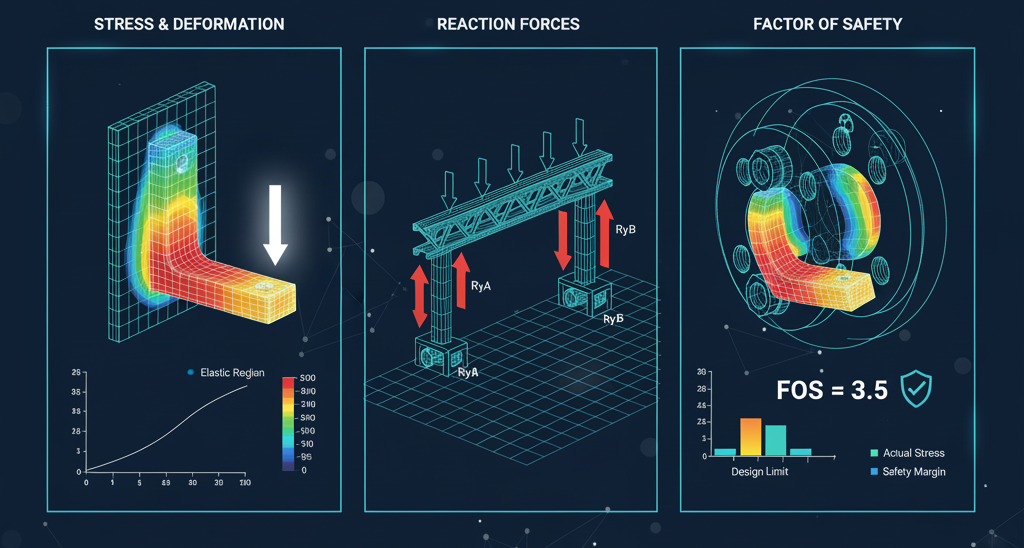
Finite Element Analysis (FEA) and Computational Fluid Dynamics (CFD) are pivotal engineering tools that significantly enhance design processes across various industries. FEA is a numerical method that subdivides complex structures into smaller, manageable components known as finite elements. This approach allows engineers to simulate physical phenomena, such as stress, strain, and deformation, under various conditions, thereby providing insight into potential performance issues prior to product fabrication. By predicting how a product will react to external forces, temperatures, and other variables, FEA aids in optimizing design and improving material selection, ultimately leading to enhanced product durability and safety
On the other hand, Computational Fluid Dynamics focuses on the behavior of fluids and their interactions with solid boundaries. CFD utilizes algorithms and computational power to analyze fluid flow, heat transfer, and related phenomena, enabling engineers to visualize how liquids and gases move through and around objects. This capability is crucial in industries such as aerospace, automotive, and HVAC, where the efficiency of fluid movement directly affects performance and energy consumption. By employing CFD, businesses can refine aerodynamic and hydrodynamic designs, contributing to more efficient products and processes.
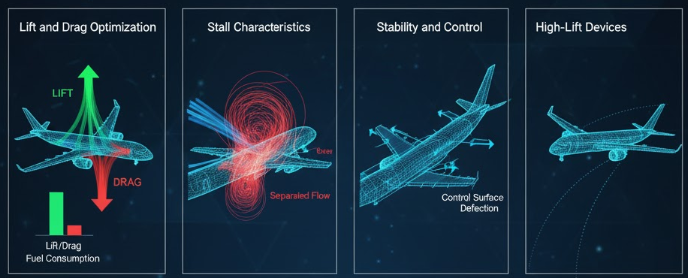
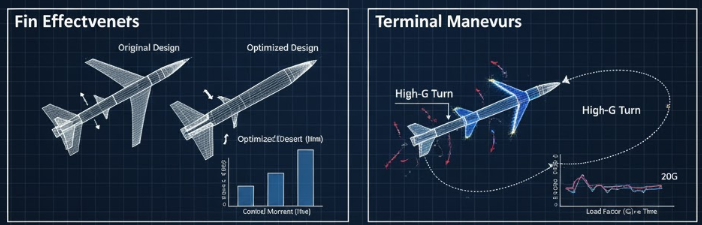
The integration of FEA and CFD into the design cycle allows for a more comprehensive evaluation of product performance. Whether it’s in the development of aerospace components that must withstand extreme aerodynamic forces or in the creation of consumer products that require seamless thermal management, the application of these advanced simulations leads to superior design solutions. As industries continue to evolve, the need for such sophisticated analysis tools has become increasingly apparent, highlighting their importance in driving innovation and ensuring that products meet safety and performance standards
Our Expertise in Electronic Cooling and Thermal Management
ur company possesses extensive expertise in electronic cooling and thermal management, focusing particularly on PCB-level electronic cooling, cold-plate and coolant design, as well as forced and natural convection methods. These specialized capabilities allow us to address the unique thermal challenges faced by various industries, including critical defense applications where maintaining optimal operating temperatures is vital for performance and reliability.
Our approach to thermal management is rooted in advanced simulation techniques. These methodologies enable us to predict thermal behavior accurately and assess the effectiveness of different cooling strategies. By employing computational fluid dynamics (CFD) simulations, we analyze airflow patterns, temperature distributions, and heat transfer mechanisms within electronic assemblies. This thorough analysis ensures that our designs provide maximum cooling efficiency while adhering to stringent performance specifications.
One of the key aspects of our thermal management solutions is the design of cold plates and coolant systems. These components are crucial in effectively dissipating heat from electronic devices. We utilize materials and geometries that optimize heat transfer, thus ensuring that our products remain within operational limits. Our commitment to innovation and technical excellence distinguishes us as a leading provider in this field.
Furthermore, adherence to military standards, specifically MIL-STD qualifications, is paramount in our operations, particularly for defense products. Our understanding of these standards ensures that our thermal management solutions not only comply with regulatory requirements but also meet the high reliability demands of military applications. This commitment to quality reinforces our capabilities, ultimately benefiting our clients by delivering robust and dependable thermal solutions.
Structural Verification and Testing Methodologies
In the realm of engineering design, structural verification plays a critical role in ensuring the reliability and performance of products. Our company employs a comprehensive suite of structural verification methods, each tailored to evaluate different aspects of a design’s integrity. Among these methods, static analysis is fundamental. It assesses a structure’s response to static loads, providing insights into how a product will perform under normal operating conditions. By validating that the design can withstand anticipated loads, we mitigate the risk of failure.
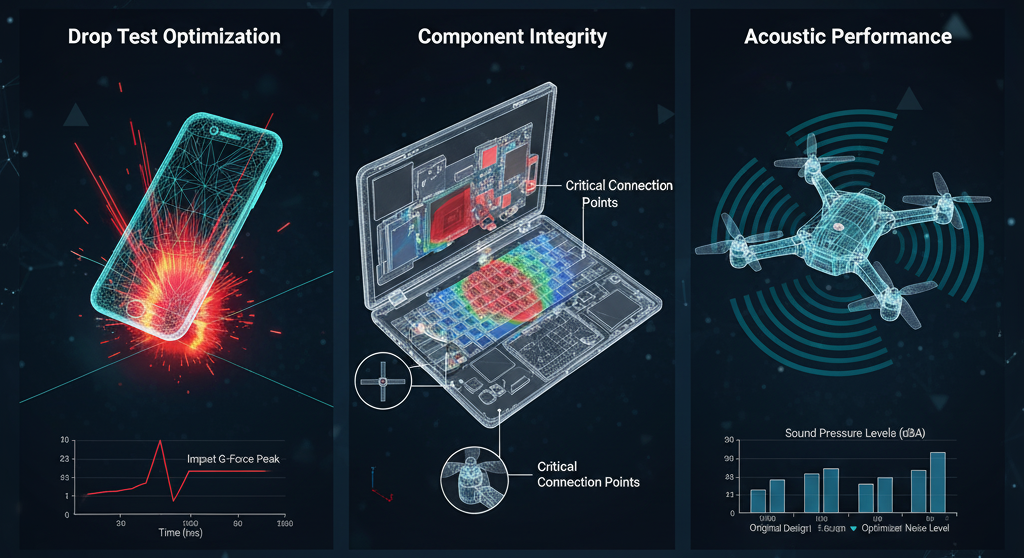
Transitioning from static to dynamic analyses, shock tests (transient analyses) examine a structure’s behavior during sudden impacts or loads. This is particularly crucial for products expected to endure abrupt forces, such as those found in transportation or aerospace industries. Understanding how a design responds to these transient conditions is vital for ensuring durability and safety.
Another key method we utilize is sine or frequency response analysis, which evaluates how structures respond to vibrational frequencies. This is essential for designs subject to oscillatory loads, allowing us to identify potential resonance issues that could lead to catastrophic failures. By determining the frequency ranges that produce excessive vibrations, we can make informed adjustments to the design, enhancing its reliability.
Furthermore, random vibration or Power Spectral Density (PSD) analysis offers insights into a product’s behavior under complex operational conditions. This testing method mimics real-world scenarios, where multiple frequencies interact simultaneously, allowing us to assess how a structure performs over a range of stochastic vibrations. Each of these testing methodologies aligns with our commitment to manufacturing excellence, ensuring that every product meets stringent industry standards through thorough validation and quality assurance. Ultimately, these rigorous analysis techniques reflect our dedication to delivering superior designs that exceed expectations.
Creating an Intuitive Online Presence for Our Technical Expertise
In the digital age, establishing a professional online presence is essential for showcasing technical expertise in fields such as finite element analysis (FEA), computational fluid dynamics (CFD), and electronics cooling. Our objective in creating a responsive website is to effectively highlight our capabilities while ensuring an engaging user experience for visitors. This online platform serves as a conduit through which potential clients, including original equipment manufacturers (OEMs), design engineers, thermal engineers, and mechanical teams across diverse sectors, can access critical information about our services.
To cater to these audiences, the design of our website prioritizes an intuitive interface that facilitates seamless navigation. This functionality is crucial in allowing users to quickly find relevant technical information that elucidates our offerings in FEA, CFD, and cooling solutions. In addition, the incorporation of structured menus and well-defined categories aids in simplifying the user journey, enabling users to efficiently explore our portfolio and gain insights into our expertise.
Visual communication plays a vital role in enhancing user experience and building credibility. Therefore, our website integrates various technical visuals, such as computer-aided design (CAD) illustrations, contour plots, and meshes, which vividly convey complex concepts. Moreover, dynamic content formats such as GIFs, PowerPoint presentations, and videos serve to engage users and provide illustrative examples of our work. These elements not only foster understanding but also demonstrate our commitment to excellence in simulation services, reinforcing trust among potential clients.
By embodying these principles, our website aims to be an indispensable resource for professionals seeking advanced simulation solutions, allowing them to appreciate the depth of our technical expertise while navigating a visually appealing and user-friendly environment